
Toxoplasma Gondii Toxoplasma gondii is a protozoan parasite responsible for toxoplasmosis, a disease that can infect a wide range of warm-blooded animals, including dogs and cats. Cats, particularly, serve as the definitive host where the parasite undergoes sexual reproduction in the intestines. Infected cats shed oocysts in their feces, which can then contaminate the environment, food, and water, subsequently spreading to other animals and humans. For more detailed research on Toxoplasma gondii, please visit Cornell University’s College of Veterinary Medicine, which covers various parasitic diseases affecting animals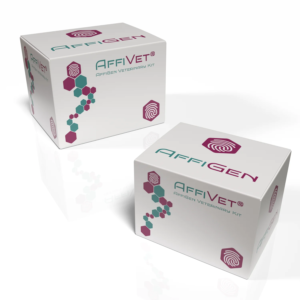
Transmission of Toxoplasmosis Cats are the primary source of oocysts in the environment, but both dogs and humans can become infected by ingesting these oocysts from contaminated soil, food, or water. The Centers for Disease Control and Prevention (CDC) provides extensive data on how toxoplasmosis is transmitted and its effects on public health.
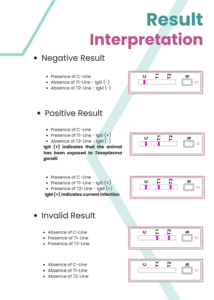
Role of IgG and IgM Antibodies The immune system produces antibodies to fight infections like toxoplasmosis. IgM and IgG are critical markers in diagnosing both recent and past Toxoplasma gondii infections in cats and dogs. IgM antibodies are typically present during an active or recent infection, while IgG antibodies can remain in the blood for life, signaling that the animal has been previously exposed to the parasite. According to The University of California, Davis School of Veterinary Medicine, antibody testing is one of the most effective methods for diagnosing and monitoring toxoplasmosis.
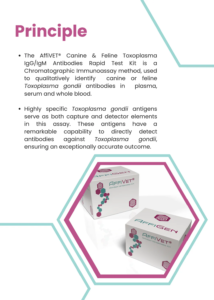
IgM: Early Detection of Infection IgM antibodies are the first to appear during an infection and can be detected within a few days to weeks. Testing for IgM antibodies can be useful in diagnosing acute toxoplasmosis. This stage is when the parasite is most likely to be actively multiplying in the host. More information on this can be found through Johns Hopkins Medicine, which discusses the role of IgM in early infection diagnostics.
IgG: Long-Term Immunity IgG antibodies are long-lasting and indicate previous exposure to Toxoplasma gondii. Even though IgG levels can rise during an active infection, they generally persist for the animal’s lifetime, offering immunity from future infections. The National Institutes of Health (NIH) provides further research on the role of IgG in immune system responses to parasitic infections like toxoplasmosis.
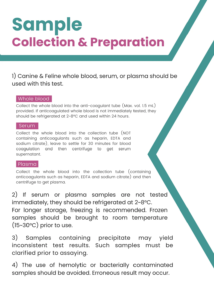
Testing for Toxoplasma Gondii Antibodies Both IgM and IgG antibodies can be detected using enzyme-linked immunosorbent assays (ELISA) and other serological tests. These tests help determine whether the infection is current or if the animal has been exposed in the past. Veterinary diagnostic labs such as those at Purdue University offer ELISA testing for toxoplasmosis in domestic animals.
Why is Testing Important for Both Canines and Felines? In felines, as the primary host, detecting Toxoplasma gondii is critical for controlling its spread in the environment. Even if a cat is asymptomatic, they can still shed the parasite. In dogs, toxoplasmosis can result in severe health issues, including neurological symptoms. The American Veterinary Medical Association (AVMA) emphasizes the importance of early detection through antibody testing to prevent the spread of the disease and ensure the health of infected animals.
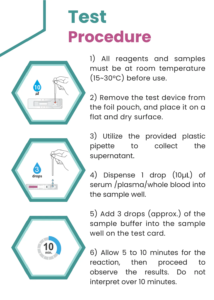
Clinical Symptoms in Cats and Dogs While many infected animals may remain asymptomatic, severe infections can lead to respiratory issues, fever, and even neurological symptoms like seizures. In cats, signs of toxoplasmosis are often more subtle but can lead to serious health complications. Tufts University’s Cummings School of Veterinary Medicine discusses clinical presentations of toxoplasmosis in felines and canines in detail.
Treatment Options For both cats and dogs, early detection through IgG and IgM antibody testing allows for timely treatment, often involving antiparasitic medications. However, treatment is more effective if administered during the acute phase, where IgM levels are elevated. For treatment guidelines, visit The University of Florida’s College of Veterinary Medicine.
Public Health Implications The presence of Toxoplasma gondii in domestic animals like cats and dogs can have significant public health implications, especially for immunocompromised individuals and pregnant women. Controlling the spread of the parasite through regular testing and proper hygiene practices is crucial. The U.S. Food and Drug Administration (FDA) offers guidance on handling animals and food to prevent the spread of toxoplasmosis.
Conclusion Regular testing for Toxoplasma gondii IgG and IgM antibodies in both cats and dogs is critical for diagnosing and managing this zoonotic disease. Veterinary professionals and pet owners should be vigilant in testing and treating infected animals to prevent the spread of toxoplasmosis, particularly in households with immunocompromised individuals. For a comprehensive guide to zoonotic diseases and testing protocols, consult The Ohio State University College of Veterinary Medicine.
By using various testing methods and maintaining awareness of how this parasite is transmitted, veterinary professionals can help mitigate the risks associated with Toxoplasma gondii. Additional research can be explored at Harvard University’s Chan School of Public Health.